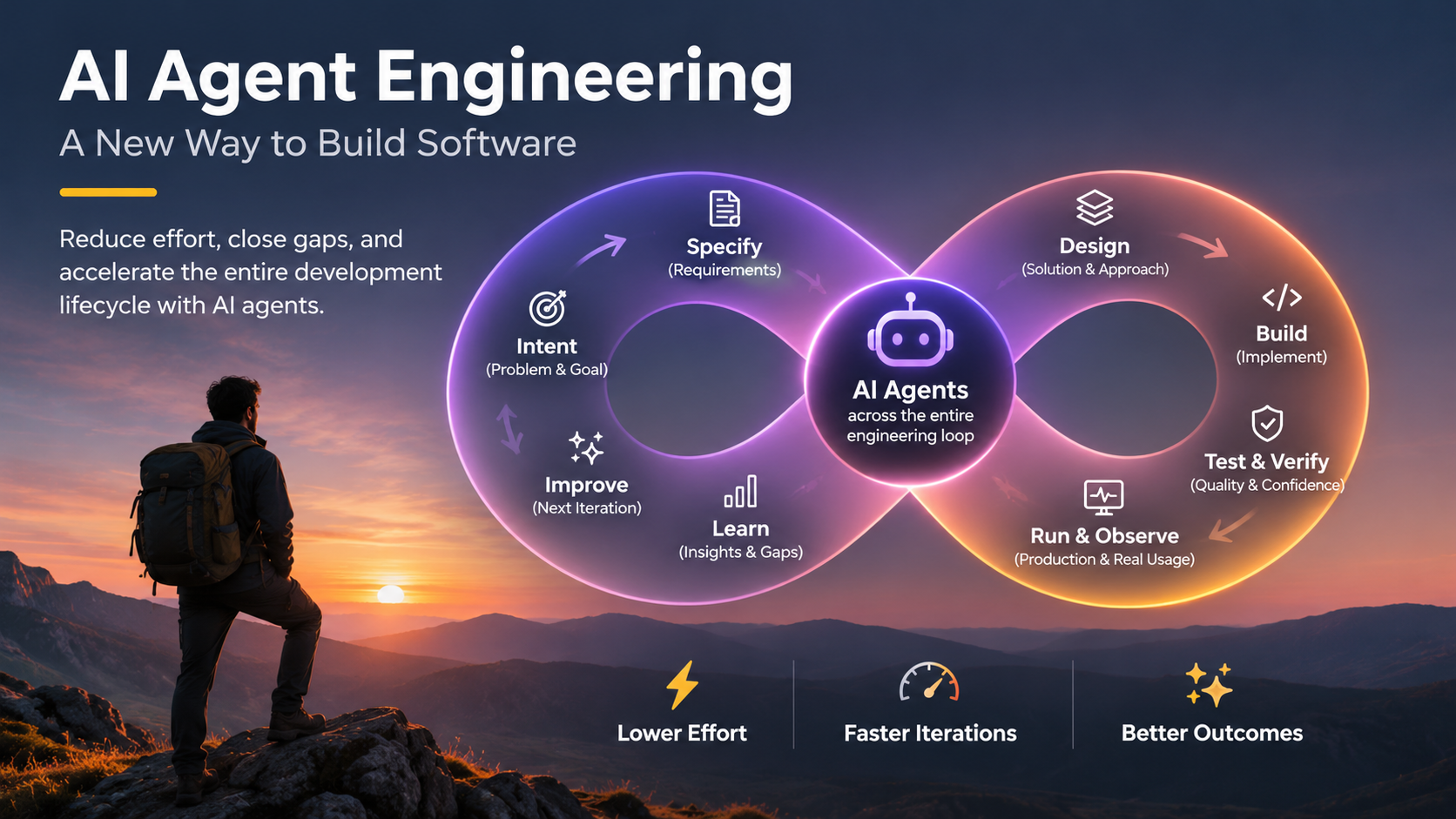
From Coding Assistant to Engineering Partner: AI Agents Across the Development Lifecycle
✍️ About this article The idea, perspective, and original draft are my own. I used AI assistance to review and polish the wording, check that the content is original and properly referenced, and creat
Responses
Markdown supported · ⌘↵ to post
The shift from using AI as a coding assistant to treating it as an engineering partner is a really important change. Writing code is only one part of software development, and having AI contribute to planning, testing, debugging, and reviewing makes its role much more meaningful.
What I find particularly interesting is how this could change the way developers spend their time. Less effort on repetitive tasks could mean more focus on problem-solving, design decisions, and overall code quality. Still, human judgment and accountability need to remain part of the process. The real value comes from combining AI's speed with engineering experience.